Underwater Inspection Services in Indonesia
Underwater inspection Indonesia is a core service of ASA Marine Services, supporting vessel owners, managers, operators, charterers, and agents across Indonesian ports and anchorages.
We provide underwater inspection Indonesia support using experienced diver teams, underwater cameras, CCTV systems, and visual documentation to help vessel operators assess underwater conditions without requiring dry-docking.
Our underwater inspection services in Indonesia support condition assessment, maintenance planning, operational verification, and troubleshooting of underwater components while minimizing disruption to vessel schedules.
How Underwater Inspection Supports Vessel Operations
Underwater inspection allows vessel operators to assess the condition of submerged components without waiting for the next scheduled dry-docking period.
Many underwater issues cannot be evaluated from above the waterline. Propellers, rudders, sea chest gratings, hull plating, and other underwater structures may require visual inspection to verify their condition and identify potential concerns.
Regular underwater inspections can support maintenance planning, operational decision-making, and technical assessments while vessels remain in service.
For vessels operating in tropical waters such as Indonesia, marine growth, fishing net entanglement, debris accumulation, and operational wear may develop between dry-docking intervals.
Underwater inspection provides a practical method of understanding actual underwater conditions before maintenance activities are planned or corrective actions are considered.
Depending on operational requirements, underwater inspections may be requested by vessel owners, technical managers, charterers, operators, insurers, surveyors, or port stakeholders.
Inspection findings can help determine whether underwater cleaning, propeller polishing, repair work, or additional investigation may be required.
Visual inspection and documentation can also provide valuable information when vessels experience unexpected performance issues, suspected underwater damage, or operational concerns that require further evaluation.
By combining experienced diver observations, underwater documentation, and practical operational understanding, underwater inspection provides vessel operators with valuable information about underwater conditions while minimizing disruption to vessel schedules.
What Can Be Identified During an Underwater Inspection
Industry Observation
Many underwater conditions develop gradually and may remain unnoticed until performance issues, operational concerns, or scheduled maintenance activities reveal a potential problem.
When a vessel operates continuously, underwater components are exposed to marine growth, environmental conditions, operational wear, and occasional external damage.
An underwater inspection allows these areas to be visually assessed while the vessel remains afloat.
Depending on inspection objectives, divers may observe:
– Hull fouling condition
– Barnacle accumulation
– Algae growth
– Sea chest blockage
– Propeller condition
– Fishing net entanglement
– Rope entanglement
– Rudder condition
– Anode condition
– Coating damage
– Mechanical damage
– Corrosion indicators
Inspection findings are typically supported by photographs, video recordings, diver observations, or CCTV documentation where required.
This information helps vessel operators better understand underwater conditions and determine whether additional maintenance or corrective action may be necessary.
Common Conditions Found During Underwater Vessel Inspections
Indonesia’s busy shipping routes, tropical waters, anchorage areas, and port environments expose vessels to a variety of underwater conditions that may affect operational performance, maintenance planning, or safety considerations.
Underwater inspections are often requested to verify underwater conditions before maintenance decisions are made or when operators require visual confirmation of a suspected issue.
Understanding the types of findings commonly encountered during underwater inspections can help vessel operators determine when inspection may be beneficial.
Fishing Net Entanglement
Fishing nets are one of the most common causes of underwater inspection requests in many Indonesian operating areas.
Nets may become wrapped around propellers, propeller shafts, rudders, or other underwater structures, potentially affecting vessel performance, vibration characteristics, steering response, or propulsion efficiency.
An underwater inspection helps determine the extent of the entanglement and whether removal may be required.
Propeller Condition Issues
Propellers are continuously exposed to marine growth, deposits, and environmental conditions.
Inspections may identify:
• Marine growth accumulation
• Surface roughness
• Minor damage
• Debris attachment
• Abnormal conditions requiring further assessment
Visual documentation allows operators to review propeller condition without waiting for dry-docking.
Rope and Debris Entanglement
In addition to fishing nets, vessels may encounter ropes, lines, cables, plastic debris, and other floating materials.
These materials can become trapped around underwater components and may interfere with normal vessel operations.
Visual inspection provides confirmation of the condition and location of any entangled materials before further action is considered.
Hull Coating Damage
Underwater inspections may reveal coating deterioration, scratches, abrasion, impact marks, or localized areas of coating failure.
While visual inspection alone may not determine the full extent of a coating issue, it can provide useful information for maintenance planning and further evaluation.
Marine Growth Accumulation
Slime, algae, barnacles, tube worms, and shell growth are frequently observed during underwater inspections.
The extent of fouling varies depending on trading patterns, anchorage duration, coating condition, and environmental factors.
Inspection findings often assist operators in determining whether underwater cleaning or propeller polishing may be beneficial.
Missing or Deteriorated Anodes
Sacrificial anodes help protect underwater metal components from corrosion.
Inspections may identify:
• Missing anodes
• Damaged anodes
• Excessively consumed anodes
• Areas requiring future replacement
These observations assist vessel operators in planning maintenance activities.
Sea Chest Blockage
Sea chests play an important role in supplying seawater to various vessel systems.
Marine growth, debris, shell accumulation, and biological fouling can sometimes restrict water flow through sea chest gratings.
Underwater inspection can provide a visual assessment of sea chest condition and identify whether cleaning or further investigation may be required.
Corrosion Indicators
Visual signs of corrosion may occasionally be observed on underwater structures, depending on vessel condition and operating environment.
Inspection findings can help operators determine whether additional technical evaluation or repair planning may be appropriate.
Understanding actual underwater conditions is often the first step in determining whether maintenance, cleaning, repair, or further investigation may be necessary. Through underwater inspection and visual documentation, vessel operators can obtain practical information about the vessel’s condition while minimizing disruption to normal operations.
Underwater Inspection Indonesia Challenges in Indonesian Waters
Indonesia’s maritime environment presents unique operating conditions that can influence underwater inspection planning and execution.
Understanding these conditions helps vessel operators establish realistic expectations and supports safe inspection operations.
Visibility Conditions
Underwater visibility can vary significantly between locations.
Some anchorages may provide relatively clear conditions, while others may experience reduced visibility due to sediment, tidal movement, river discharge, or vessel traffic.
Inspection planning often considers expected visibility conditions before mobilization.
Weather and Sea Conditions
Wind, currents, wave conditions, and seasonal weather patterns may influence inspection activities.
Although many inspections can proceed under challenging conditions, operational safety remains an important consideration when determining work schedules.
Vessel Schedule Constraints
Many inspection requests occur during limited operational windows.
Vessels may require inspection while:
• Waiting at anchorage
• Loading cargo
• Discharging cargo
• Preparing for departure
• Awaiting maintenance decisions
Efficient coordination helps maximize available inspection opportunities.
Anchorage and Port Requirements
Inspection activities may require coordination with vessel representatives, agents, port authorities, terminal operators, or other stakeholders depending on location.
Requirements may vary between ports and anchorages throughout Indonesia.
Location Accessibility
Indonesia’s extensive geography includes thousands of islands and numerous operating regions.
Mobilization planning may differ significantly depending on project location, vessel position, transportation availability, and operational urgency.
Operational Documentation Requirements
Different operators may require different levels of reporting and documentation.
Projects may involve:
• Photographs
• Video recordings
• Diver observations
• Preliminary reports
• CCTV monitoring
• Technical summaries
Understanding documentation requirements before mobilization helps ensure expectations are aligned.
Equipment & Technology
ASA Marine Services combines underwater inspection equipment, documentation systems, and experienced diver teams to support underwater inspections across Indonesian ports and anchorages.
Our inspection approach focuses on obtaining clear visual information, documenting findings, and supporting vessel operators with practical underwater observations.
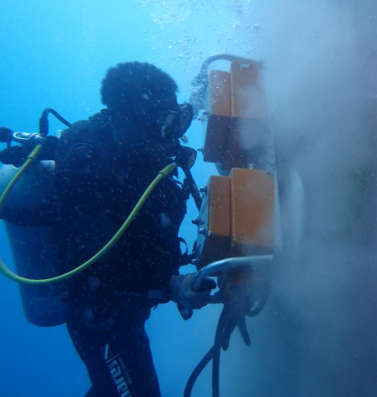
Our Underwater Inspection Process
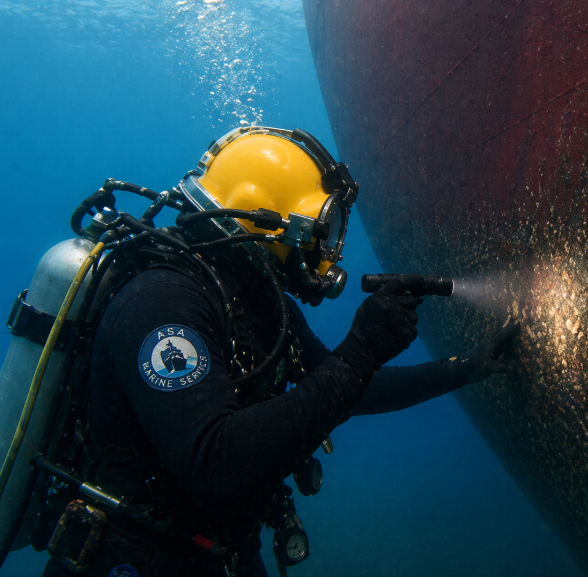
Planning & Project Coordination
Before mobilization, ASA coordinates with vessel representatives, agents, and relevant stakeholders to understand the inspection objectives, vessel condition, location, operational schedule, and reporting requirements.
Planning may include:
• Scope review
• Vessel information collection
• Location assessment
• Mobilization planning
• Documentation requirements
• Safety and operational coordination
Early planning helps ensure the inspection is conducted efficiently within the available operational window.
Underwater Inspection Execution
Upon arrival, the inspection team performs the agreed underwater assessment using suitable inspection equipment and documentation systems.
Depending on project requirements, inspection areas may include:
• Underwater hull surfaces
• Propeller and shaft area
• Rudder system
• Sea chest gratings
• Thrusters (where applicable)
• Sacrificial anodes
• Suspected damage locations
• Areas of operational concern
Divers record observations and gather visual evidence throughout the inspection process.
Documentation & Reporting
Upon completion, ASA compiles inspection findings into a clear and practical documentation package.
Depending on project scope, deliverables may include:
• Underwater photographs
• Video recordings
• CCTV recordings (where applicable)
• Diver observations
• Preliminary findings summary
• Soft-copy inspection report
This information provides vessel operators with a visual reference of underwater conditions and supports maintenance planning or operational decision-making.
FAQ – Underwater Inspection
Underwater Inspection Coverage Across Indonesia
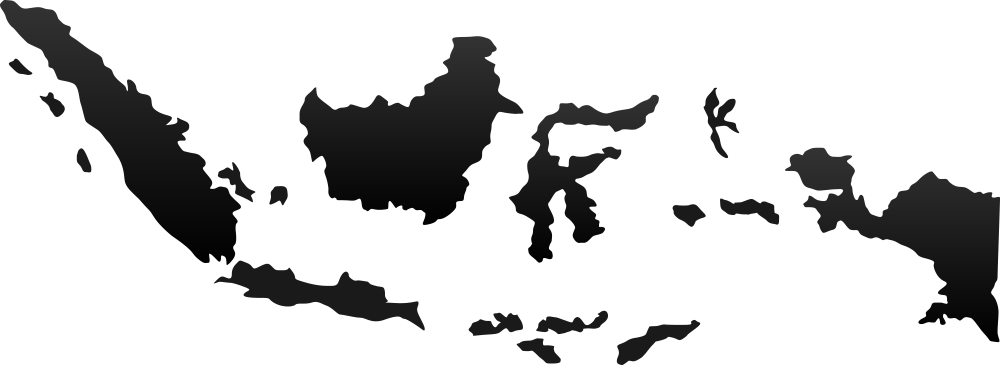
Indonesia is one of the world’s largest maritime nations, with thousands of islands, extensive shipping routes, busy commercial ports, offshore operations, and strategic anchorage areas.
ASA Marine Services supports underwater inspection projects throughout Indonesia, helping vessel owners, managers, operators, charterers, and agents obtain underwater condition information when and where it is needed.
Major Ports and Anchorages We Support
Our inspection teams can support projects across major Indonesian maritime regions, including:
• Batam
• Karimun
• Dumai
• Belawan
• Jakarta
• Cirebon
• Semarang
• Surabaya
• Gresik
• Balikpapan
• Samarinda
• Banjarmasin
• Bunati
• Makassar
• Bitung
• Sorong
Additional locations may also be supported depending on vessel schedule, project requirements, and operational feasibility.
Anchorage and Offshore Inspection Support
Not all underwater inspections occur alongside a berth. Many vessels require underwater assessment while:
• Waiting at anchorage
• Awaiting berth availability
• Preparing for loading or discharge
• Investigating operational concerns
• Conducting maintenance planning
ASA supports underwater inspections at both ports and anchorages, subject to local regulations, permissions, weather conditions, and operational requirements.
Local Knowledge and Coordination
Successful underwater inspections often depend on more than diver capability alone. Efficient execution may require coordination between:
• Vessel representatives
• Ship managers
• Local agents
• Port authorities
• Terminal operators
• Offshore stakeholders
ASA combines underwater operational capability with practical knowledge of Indonesian port environments, helping facilitate efficient project planning and execution. Whether a vessel requires routine condition verification, investigation of a suspected underwater issue, marine growth assessment, sea chest inspection, propeller inspection, or underwater documentation, ASA Marine Services remains ready to support inspection requirements across Indonesian ports and anchorages.
By combining experienced diver teams, underwater documentation systems, practical local coordination, and clear reporting, ASA helps vessel operators obtain the underwater information needed to support maintenance planning and operational decision-making.
ASA provides underwater inspection Indonesia support for commercial vessels operating in ports, anchorages, and offshore locations.
Our underwater inspection Indonesia work is planned based on vessel condition, inspection objectives, visibility, and local operating constraints.
Contact us
Name: Yuli Rosiana – Director/Business Development
Phone/WhatsApp: +62 822-8170-0294
Email: yrosiana@asamarineservices.com
WeChat: yuli-rosiana
Name: Dodi Kurniawan – Operations
Phone/WhatsApp: +62 813-1754-5251
Email: ops@asamarineservices.com
WeChat: dodikurniawan-bdasa
Name: Rizky Alamsyah – Operations
Phone/WhatsApp: +62 811-1201-2259
Email: rizky.a@asamarineservices.com
WeChat: Rizky_Alam_Syah
Related Underwater Services
Many underwater issues are interconnected. During an inspection, vessel operators may identify marine growth, propeller fouling, debris entanglement, or other conditions that require additional underwater support.
ASA Marine Services provides a range of underwater services that can be combined to support vessel maintenance, operational readiness, and underwater condition management throughout Indonesia.
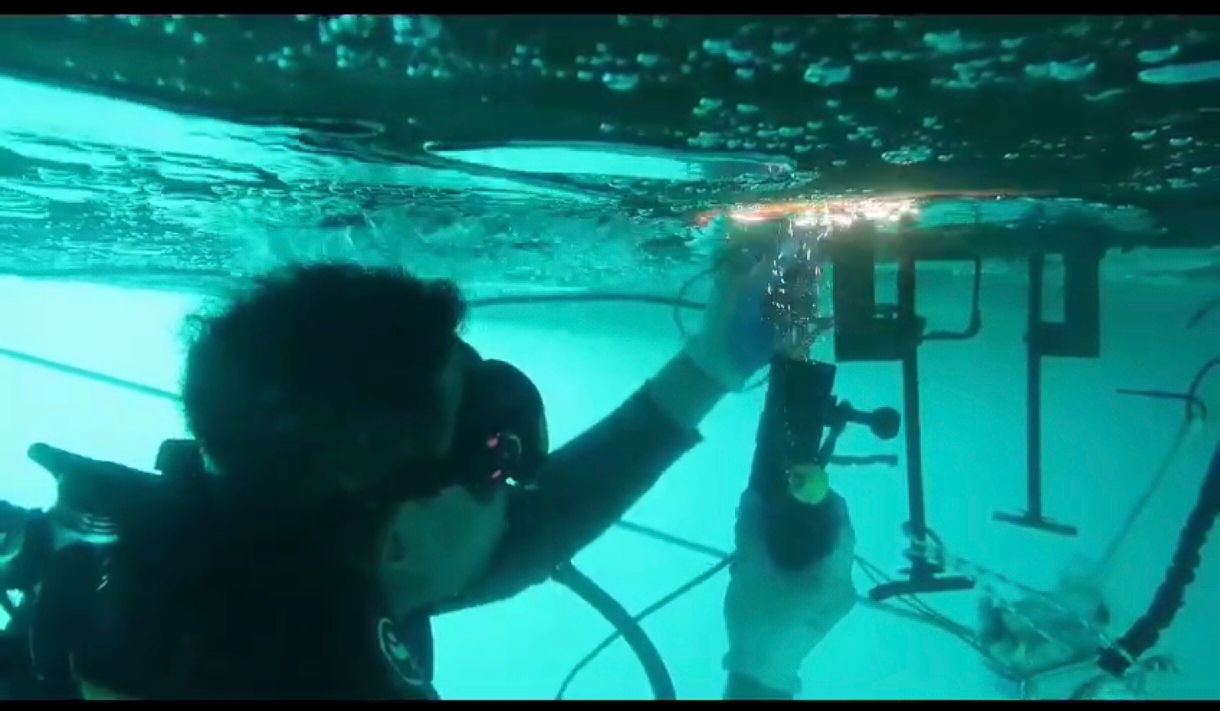
Underwater welding
Underwater welding services provide critical repair solutions for vessels without the need for dry-docking. Our diver teams support urgent structural repairs below the waterline, helping ship operators minimize downtime, maintain operational continuity, and address damage safely and efficiently in-port or at anchorage.
Underwater repair
Provide in-water repair solutions including underwater welding and structural support to address minor damage without dry-docking. Our diver teams help vessels maintain operational continuity while ensuring safe and compliant execution.